
Dr. Molly Taylor-Poleskey
Most of the time, a historian’s work presents them as a one-dimensional figure who only is what and how they argue. But, of course, historians are people and our whole selves affect what we study and our scholarly output.
Richard White once wrote that all history is family history and although I don’t have Moravian roots myself, my family and my upbringing led me directly to this project. WIth a set of grandparents who had been occasional interpreters at Old Salem, I grew up visiting the museum whenever I visited them.
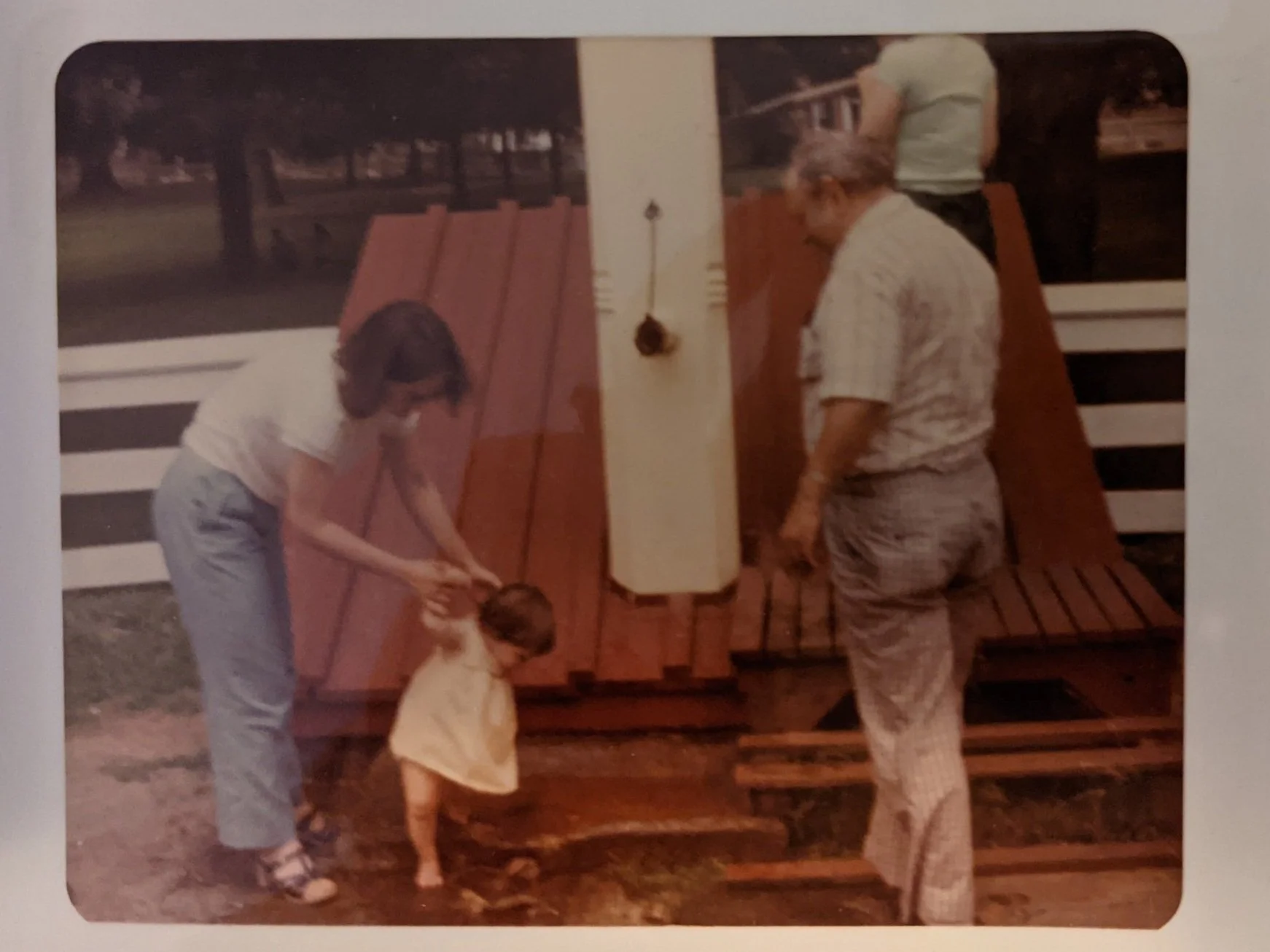
Some of my most formative memories were tied to Old Salem: of course pumping the waterpump and getting treats at Winkler’s or chicken pies at the tavern, but also the dramatic 4th of July celebration that ended with my family and me running for cover under the fire shelter on the square in a sudden summer downpour. (I was fascinated when I pulled off my new bright red socket to find that my ankles and feet had been dyed red!)
Years later, the square was the site of another intense memory for me: on the evening after we dropped my sister off for her freshman year at Salem Academy, we went to a concert on the square where my parents and I ran into her with some classmates. I was so excited to see her again and she was thrilled to be rid of us and go off with her new friends. That moment was a shift in my sense of my family’s permanence.
When I went to Germany with my children’s choir in 1996, the half-timbered houses of Saxony seemed oddly familiar and I wonder now if my path to becoming an early modern German cultural historian actually began with my grandparents instilling a love of history and German music at an early age.
In any case, as an adult, in my first planning meetings with MO and Martha Hartley in the fall of 2017, I was actually surprised to learn about the extent to which people of African descent had been a part of that history, a fact which had been hidden from me as a child. Learning more about this Hidden Town and researching free and enslaved people at Salem has been a journey of personal questioning and growth as we try and contribute to the larger good of recognizing and amplifying those stories. For me, this has meant some growing pains as I stumble while re-learning and retraining and realize over and over that I need to listen better to my students of color and make space in our course to reflect on the emotional work of our endeavor.
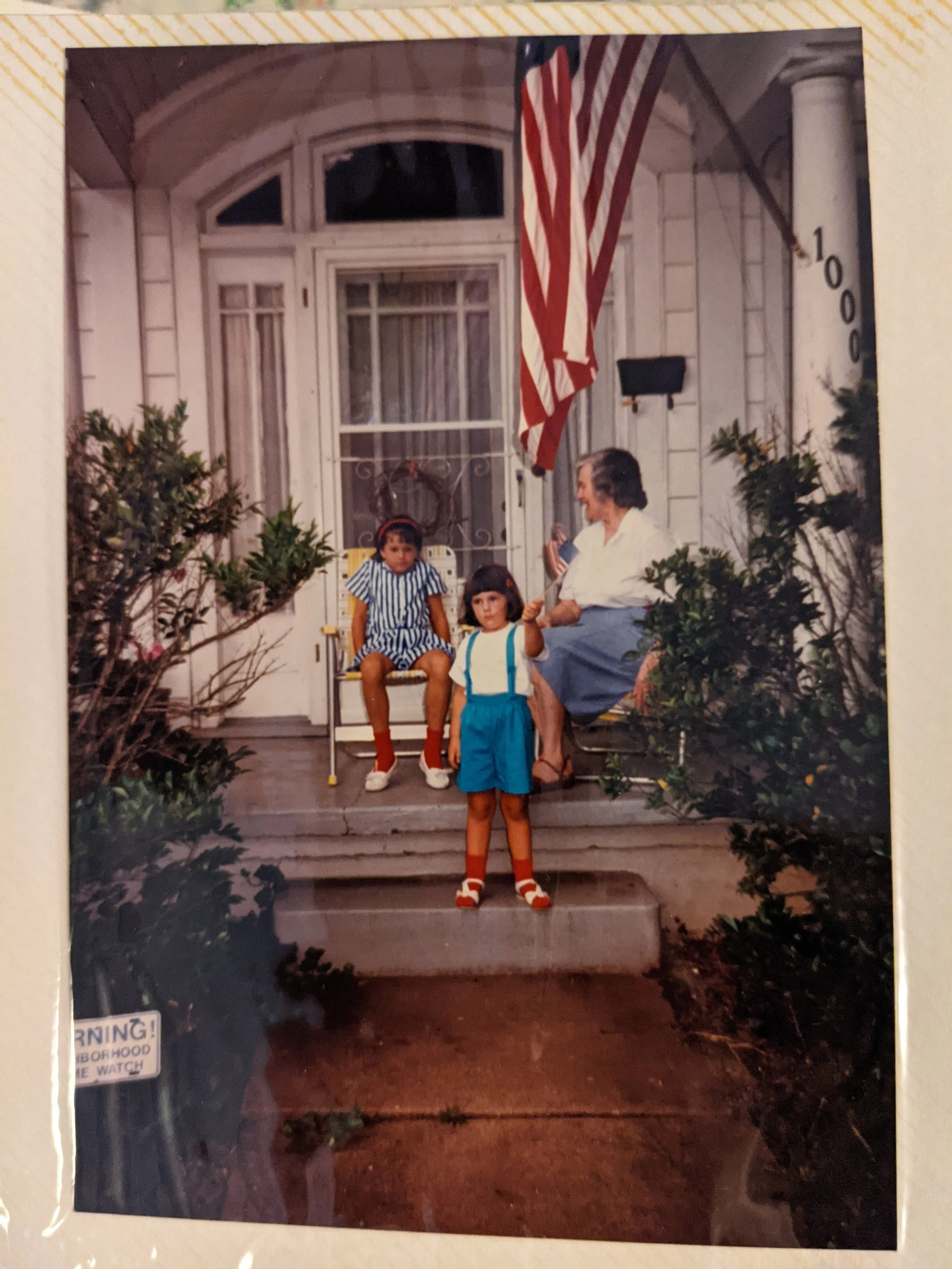
It also means that I continue to involve my whole self: my mind, my heart and yes, my family in this scholarship. My mother was the first person who told me about the St. Philip’s Church renovation and interpretation that had launched the seed of the Hidden Town initiative. I believe she, too, has been profoundly moved to realize hidden elements in a history she thought she knew. I have asked my parents to bring my children to both of our final field school presentations.
Of course, the kids are becoming familiar with the historic district and are thrilled with pumping water themselves. I value my early experiences at Old Salem (it will always be one of my “happy places”) and I hope they feel a sense of connection there too. But, I want them to see a fuller story in which they understand that black and white Moravians built the early town. Eventually, I’d like them to understand the museum’s history and how stories about the past might reflect the shame or biases of the present, but they can change to embody the hopes for a more equitable future.